
since 2010
How Expensive Is Iceland? Prices & How To Save Money
Iceland, with its breathtaking landscapes and natural wonders, is a dream destination for many. But what about your wallet? Is a trip to Iceland going to drain your bank account, or can you make it work without breaking the bank? Let's dive into the money side of things.
Iceland's allure is undeniable, with its glaciers, waterfalls, active volcanoes, ancient mountains, geysers, and black sand beaches. It's a siren call to adventurers from around the world. But the big question is, does visiting Iceland have to be a budget-busting affair?
-1150.5617977528x768.jpg "How Expensive Is Iceland? Prices & How To Save Money")
Iceland's Pricetag: A Reality Check
Here's the scoop: According to the Cost of Living Index by Numbeo, Iceland currently ranks as the fifth most expensive country globally. Icelandic banks, in a detailed 2018 report, shed light on the significant costs that travelers might face, and the numbers can be jaw-dropping.
-
Staying in hotels in Reykjavik can be 10-32% pricier than in other Nordic capitals.
-
Restaurant and lodging prices shoot up by 44% above the EU average.
-
The cost of alcoholic beverages takes the cake, going a whopping 123% beyond the same standard.
Hope on the Horizon: Traveling on a Budget
But fear not! Iceland might have a reputation for being a bit spendy, but there are smart ways to explore this magnificent country without turning your pockets inside out.
Iceland's treasures are well worth the investment, but you can make your money go further by planning wisely. From budget-friendly accommodations to eating like a local and taking advantage of the country's natural beauty without the price tag, Iceland can be as affordable as you want it to be.
-1150.5617977528x768.jpg "How Expensive Is Iceland? Prices & How To Save Money")
So, while Iceland might be one of the world's most expensive countries, with a bit of savvy, you can have an incredible adventure without emptying your bank account
Iceland's Currency: The Krona (ISK)
Iceland, with its population of roughly 370,000, is a nation with a distinct identity - and that includes its very own currency. Meet the Krona (ISK), the financial backbone of this Nordic island. The history of Iceland's currency is like a rollercoaster, with twists and turns that have shaped its unique path.
The Krona has a history of marching to its own beat. It's had moments of being pegged to the Danish krone and the Euro, and Icelanders have debated its fate regularly.
Keep It Local: The Krona's Power
When you step onto Icelandic soil, remember that the Krona's influence doesn't stretch far beyond the country's borders. Its value is determined by the Central Bank of Iceland, and you won't find too many foreign banks carrying or exchanging it. That's why you don't need to load up on Krona before your trip.
-1152x768.jpg "How Expensive Is Iceland? Prices & How To Save Money")
Smart Exchange Strategy
If you need to exchange your money, the airport is an option, but the rates are more favorable in a bank in Reykjavik. Just a heads-up: avoid being stuck with unexchangeable currency by changing your Krona before heading home.
Cashless Convenience
Whether you're a traveler or a local, cards rule the roost in Iceland. From tiny food stands to sprawling shopping centers, almost every corner of Iceland is card-friendly. It's a good idea to pack light and rely on your plastic, making transactions a breeze.
Currency Conversion for Clarity
To make budgeting easier, prices in Iceland are often converted from ISK to USD. But bear in mind that exchange rates are as dynamic as a volcano's mood, so the actual prices might fluctuate slightly. Rest assured, though, that you'll always pay the exact ISK amount.
Accommodation and Transport Costs in Iceland
Your journey to Iceland comes with an array of choices when it comes to accommodation and transportation. Whether you're a budget traveler or looking for more upscale experiences, Iceland has something for everyone. Let's break it down:
-1152x768.jpg "How Expensive Is Iceland? Prices & How To Save Money")
Accommodation Options:
-
Cottages in Nature: If you're craving a rustic experience in Iceland's wild beauty, cottages in the heart of nature could be your ideal choice.
-
Affordable Hostels in Reykjavik: For budget-conscious travelers, Reykjavik offers a range of affordable hostels where you can rest your head without breaking the bank.
-
Icelandic Guesthouses: Get a taste of local life by staying in Icelandic guesthouses. These accommodations offer an authentic experience.
-
Upscale Hotels: While Iceland might not be a hub for five-star hotels, you can still find upscale options. Prices range from about 50 USD to 850 USD per night, often including free Wi-Fi and breakfast.
The Housing Hurdle
The cost of accommodation in Reykjavik, and indeed all of Iceland, has been on the rise. A housing problem is brewing in the capital, where a significant number of apartments are being leased through platforms like Airbnb. This trend can strain local renters and their ability to secure affordable housing.
Wise Choices for Traveler
Consider booking official accommodations and avoid exacerbating the housing crisis for locals. Alternatively, you can book entire apartments or summer cottages in the countryside, which is a more sustainable and appreciated option.
For a hassle-free experience, consider booking a complete vacation package in Iceland. These packages combine accommodation, transportation, and activities, making budgeting a breeze.
Camping is an increasingly popular and sustainable option when traveling in Iceland. Numerous camping sites are scattered around the country, offering closeness to nature and affordability. Just remember to leave the area as you found it.
-1152x768.jpg "How Expensive Is Iceland? Prices & How To Save Money")
Getting Around
-
Renting a Car: Exploring Iceland at your own pace is made easy with car rentals. Whether you choose a vehicle or a camper with a rooftop tent, it's a convenient way to travel and visit sights independently.
-
Self-Drive Tours: If you're after a well-organized trip, self-drive tours provide you with a vehicle and a detailed itinerary, giving you the freedom to explore while knowing everything's taken care of.
-
Hitchhiking: Iceland is one of the safest places for hitchhiking. If you're driving a rental, picking up hitchhikers and sharing petrol costs can help you save money.
-
Inner-City Transport: Taxis in Reykjavik can be expensive, so use them only when necessary. The city is pedestrian-friendly, and public buses like Straeto offer affordable fares for getting around.
A Note on Weather
Remember that Iceland is situated on the edge of the Arctic Circle, so camping is an infinitely easier option during the summer months. Wintertime camping is a more challenging option, suitable for experienced trekkers well-versed in reading weather forecasts and surviving in the wild.
Getting to Reykjavik from KEF Airport
Skip the taxi and save. Rent a car or book a shuttle bus to Reykjavik for a more cost-effective trip, saving you money to spend on Icelandic adventures.
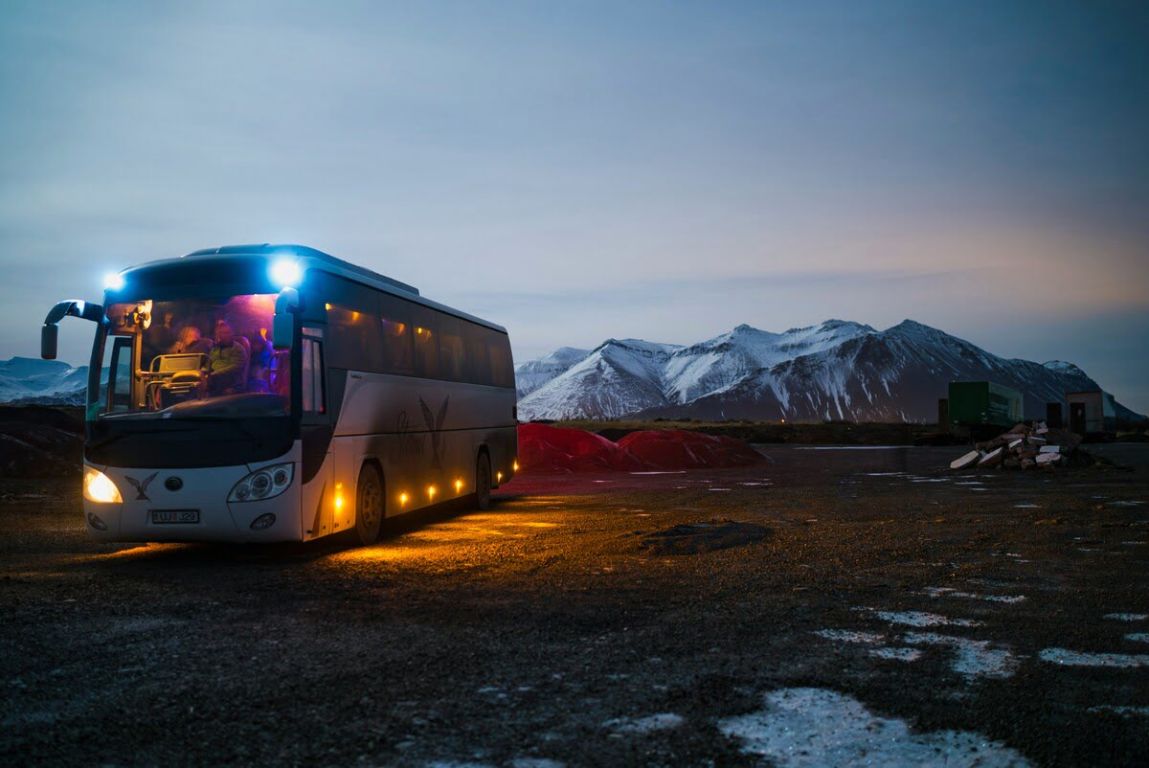
Feasting and Fiscal Fears: A Culinary Expedition Through Iceland
Iceland, the land where the local food scene has exploded like popcorn in a microwave, and where your taste buds are in for a rollercoaster ride!
Iceland's culinary scene has seen more growth than your plant collection during quarantine. Top-notch restaurants are popping up faster than you can say "Hákarl". Traditional Icelandic cuisine gets a makeover, flirting with flavors from around the world or doing the tango with exotic ingredients. These dishes stand tall among the competition.
But wait, before you dive headfirst into this culinary adventure, you might want to check the balance in your bank account because dining out here doesn't come cheap. We're talking about the average price of a meal ranging between 30 and 50 bucks.
The locals consider restaurant dining a treat instead of a regular occurrence. If you're planning to dine out every night during your stay, be prepared for your expenses to skyrocket faster than a SpaceX launch.
If you want to be a savvy traveler - research your options. Plan for one or two special occasions, because, as they say, good things come at a cost. As with most things in Iceland, they might come at a cost, but they’re well worth it for the unique and quality experience.
 (1)-1024x768.jpg "How Expensive Is Iceland? Prices & How To Save Money")
You'd think grabbing a quick slice of pizza, a burger, or a sandwich would be your wallet's BFF, right? Wrong! In Reykjavik, casual dining is basically doing cartwheels in the same price range as the fancier joints. A pizza slice can have a price tag that's practically identical to a meal at a nice restaurant. It's like fast food and gourmet food had a staring contest, and no one blinked!
But fear not, my fellow penny-pinchers! To save your hard-earned cash, hit up those lunch hours. Many inner-city restaurants offer reduced prices or two-for-one deals on selected dishes. It's like a hidden treasure for budget travelers, and it's almost as thrilling as finding elves in your backyard. Almost.
And now, the grand finale of wallet wisdom – cooking for yourself! Skip the priciest grocery stores like 10-11 or Krambudin. They're the Iceland equivalent of highway robbery for groceries. Instead, hit low-price stores like Netto, Kronan, and Bonus. Load up on supplies before you venture out into the wild Icelandic landscapes, and you'll be set. Road-side kiosks tend to offer things like burgers and hot dogs, but for sky-high city restaurant prices.
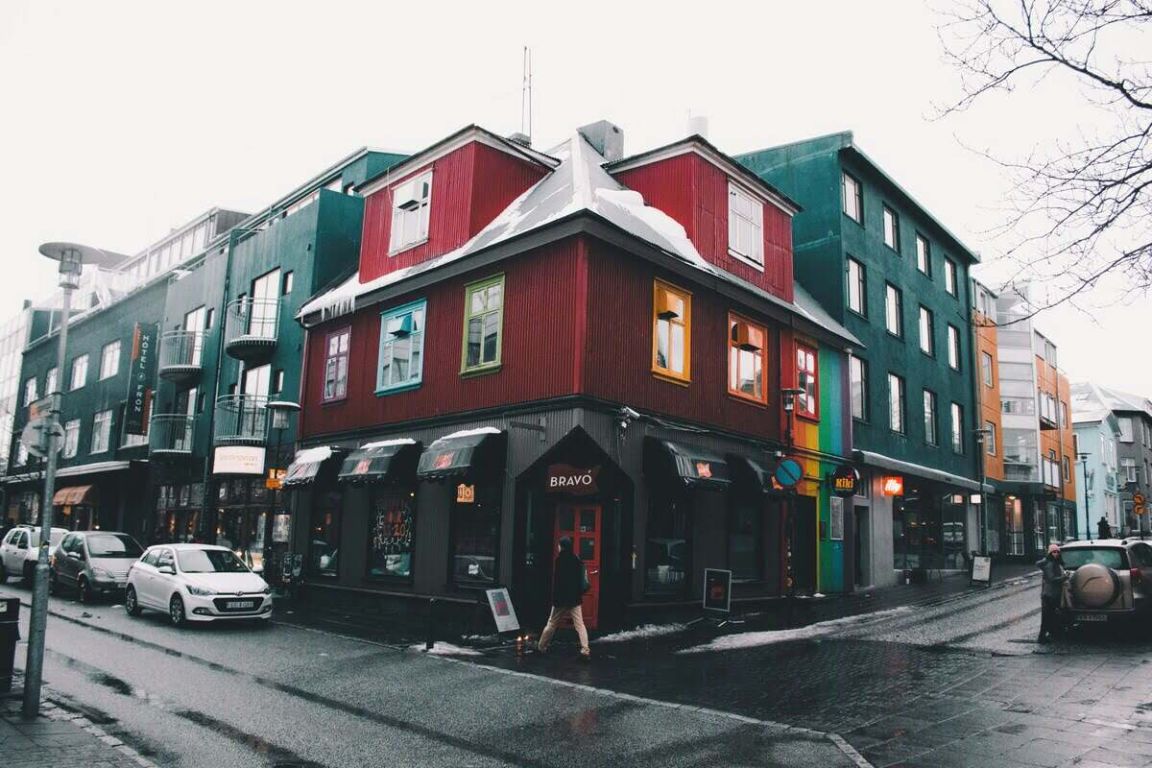
Now, let's talk about alcohol, my friends. Iceland has a complicated relationship with the good stuff. Beer was under prohibition until 1989! So, it's not like the locals don't appreciate a good drink, but the accessibility is somewhat limited compared to international standards. You can only buy alcohol in the state-run liquor store known as Vinbudin, or as the Icelanders call it, "Rikid" – "The State." But remember, these stores have limited hours and high taxes. So, if you're planning a night out, stock up beforehand or go duty-free at the airport upon arrival. Cheers to saving some króna!
Oh, and don't be fooled by the seemingly innocent beers on the shelves of local supermarkets. They may look like beer, but they are the Clark Kent of beers, with an alcohol content of only 2.25%. Therefore, these are nearly alcohol-free beers, but many travelers have been fooled by their appearance and become placebo-drunk.
Now, you can't visit Iceland and stay outdoors all day. Reykjavik is home to over 50 bars and pubs, and they're an absolute joy to visit, even if your wallet isn't always on board. A pint might set you back roughly 7 bucks, but don't despair. Reykjavik has a vibrant happy-hour culture that can save the day! Most happy hours include the house’s red and white wines if beer is not your preferred drink.
But what about your daily dose of caffeine? A cup of coffee in Iceland isn't just a pick-me-up; it's a treasure hunt for your taste buds and your wallet. A latte or cappuccino will cost you around 5 bucks, and tea is about 3 dollars, usually with free hot water refills – a small silver lining in your budget storm. A regular black coffee? That's anywhere from 2.50 to 4 dollars, depending on the cafe's generosity with refills. But hey, you can't put a price on the warmth it brings to your soul on a chilly Icelandic day.
But hold on, my fellow budget warriors! Some accommodations include free coffee. And guess what? Banks and some grocery stores, like Bonus, offer complimentary coffee for customers. Sip, savor, and save.
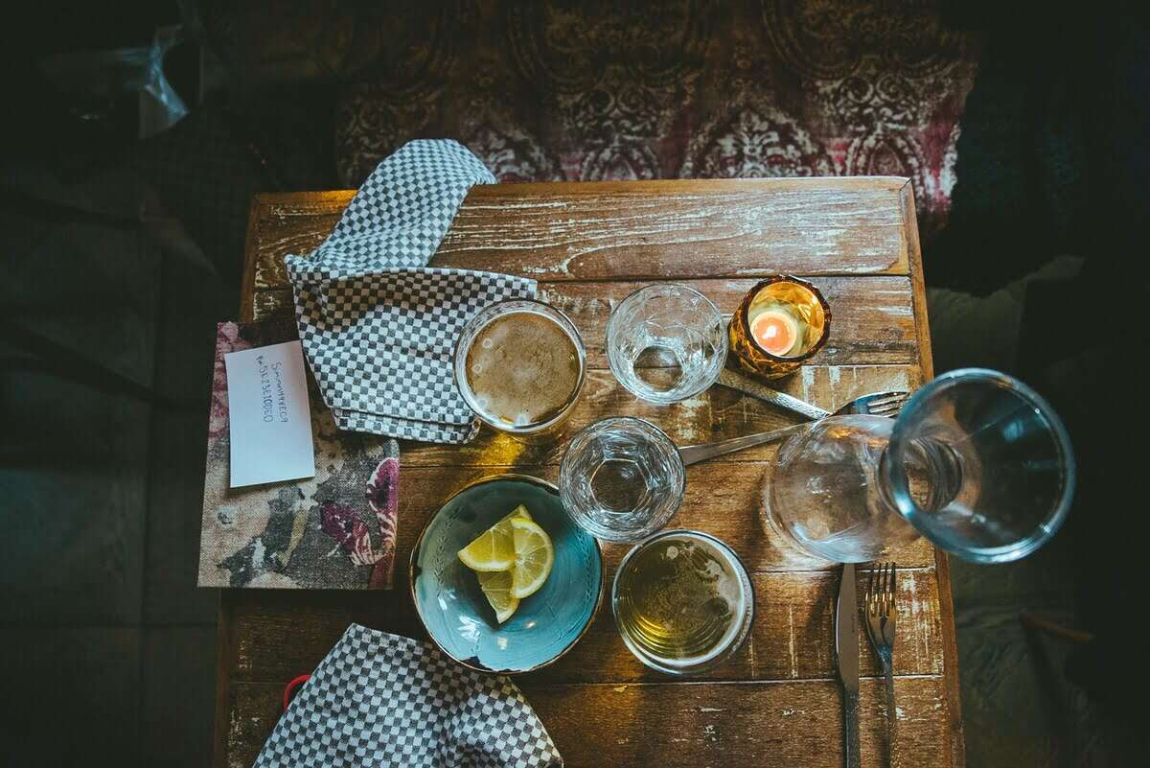
Now, here's a nugget of wisdom to wrap things up: don't bother with bottled water. Iceland's tap water is very clean. It's full of healthy minerals and always safe to drink. Just carry a trusty water bottle with you, and every establishment will happily refill it – saving you money and the planet, one sip at a time.
So there you have it! Iceland is like a culinary adventure with a price tag that might occasionally rival the national debt. But with a dash of wit and a sprinkle of clever choices, you can savor the flavors of this incredible land without watching your budget melt faster than a glacier in the summer sun.
Shopping in Iceland
Welcome, savvy shoppers and treasure hunters! Iceland, the land of breathtaking landscapes, mind-blowing geysers, and Björk, also has its retail charms. But before you reach for your wallet, let me spill the beans – shopping here might be more challenging than deciphering Icelandic grammar.
First things first, let's address the fashionistas in the room. If you're thinking of upgrading your wardrobe with a snazzy pair of Levi jeans, be prepared to fork over some serious króna. Fashion wear in Iceland is like a luxury car – it comes with a hefty tax. We're talking a jaw-dropping 40 percent markup compared to other shopping heavens like Scandinavia, the UK, or the US. So, if you're looking for designer threads without emptying your bank account, you might want to save that shopping spree for another destination. Locals prefer to click and cart their way through shopping online or snag deals abroad during their travels.
-1152x768.jpg "How Expensive Is Iceland? Prices & How To Save Money")
However, Reykjavik isn't all high-end boutiques and wallet-busting deals. The city also harbors a treasure trove of local design stores, each showcasing unique, hand-crafted garments at prices that won't send you into financial hibernation. If you're into vintage fashion, you're in luck. Laugavegur street boasts some fantastic second-hand stores where you could score your very own lopapeysa, that iconic Icelandic wool sweater, without breaking the bank.
And now, for the adventurers of the bargain hunt, we present to you the Kolaportid Flea Market. This place is your weekend wonderland, featuring Icelandic wool products, stamps, postcards, quirky knick-knacks, and vintage wear that won't make your wallet cry in despair.
Watch out for the so-called "puffin shops" that dot the local streets. They might promise you a piece of authentic Icelandic memorabilia, but in reality, they're more like cunning tourist traps, peddling mass-produced plastic trinkets from lands far, far away. These shops also cast a shadow on local businesses, so if you want genuine souvenirs, head over to the National Museum gift shop, the Handknitting Association of Iceland, or our flea market Kolaportid. They're your golden tickets to a true Icelandic keepsake.
Remember, the best memories you can take back from Iceland are the countless adventures and the astonishing natural sights you'll encounter. So, pack a camera and capture those moments that you'll cherish for a lifetime. After all, in Iceland, Mother Nature herself is the grandest shopping mall, and it's all free!
-1150.5617977528x768.jpg "How Expensive Is Iceland? Prices & How To Save Money")
Sightseeing in Iceland
If you've ever heard that the best things in life are free, you'll find a definite proof for this in Iceland. Here, nature puts on a show unlike any other, and it won't cost you a dime. From geothermal wonders to remote coastal villages and the untamed Highlands, Iceland is a treasure chest of experiences waiting to be unlocked.
But, and there's always a 'but,' you'll need a few essentials to make the most of this wild adventure. Think means of transport, a cozy place to crash, and the right gear and guidance. Nature in Iceland isn't just for ogling – it's for diving into and experiencing to the fullest.
For instance, when you're at Thingvellir National Park, where two tectonic plates meet in a geological embrace, why not kick it up a notch by snorkeling in the crystal-clear Silfra fissure? Or, when you visit Skaftafell National Park, home to Europe's largest ice cap, don't just stop at taking photos. Strap on your crampons and venture inside an enchanting ice cave.
The good news is that Iceland offers a smorgasbord of guided services to make these adventures accessible. Even for something as celestial as the Northern Lights, which usually put on their own dazzling display, there are dedicated folks working round the clock to predict their appearance based on solar wind readings and weather forecasts. If that fails, most companies offer you compensation for your tour. This nifty compensation often lets you take another shot at aurora hunting on a different night. So, the best strategy is to book a Northern Lights tour at the beginning of your stay.
-576x768.jpg "How Expensive Is Iceland? Prices & How To Save Money")
But Iceland isn't just about untamed wilderness; there's urban magic too. In Reykjavik, you'll find a treasure trove of museums and sights, some free and others budget-friendly with passes. The Reykjavik City Card is your golden ticket to maximizing your city exploration. It grants you access to a delightful array of galleries, museums, swimming pools, and public transport.
And that's not all – the card also sprinkles discounts on various tours and services, should you decide to wander beyond the city limits. So, you'll be saving money while you're in town and when you decide to spread your wings. The Reykjavik Card comes in 24, 48, or 72-hour flavors, so pick the one that suits your exploratory appetite.
Lastly, a piece of sage advice – Iceland's nature is as wild and unpredictable as a summer storm. So when going into the wild, always craft a solid travel plan and leave it at safetravel.is. This way, if you find yourself in a pinch, you'll be easier to locate and rescue. But if you follow the rules of the Icelandic adventure, you're in for the experience of a lifetime!
Weekly and Daily Budgets: How Much You’ll Spend in Iceland
We hope this article has given you an idea of the different expenses and possibilities when traveling in Iceland. There's nothing left now except to present you with estimated budgets to better your abilities to plan the journey of your dreams.
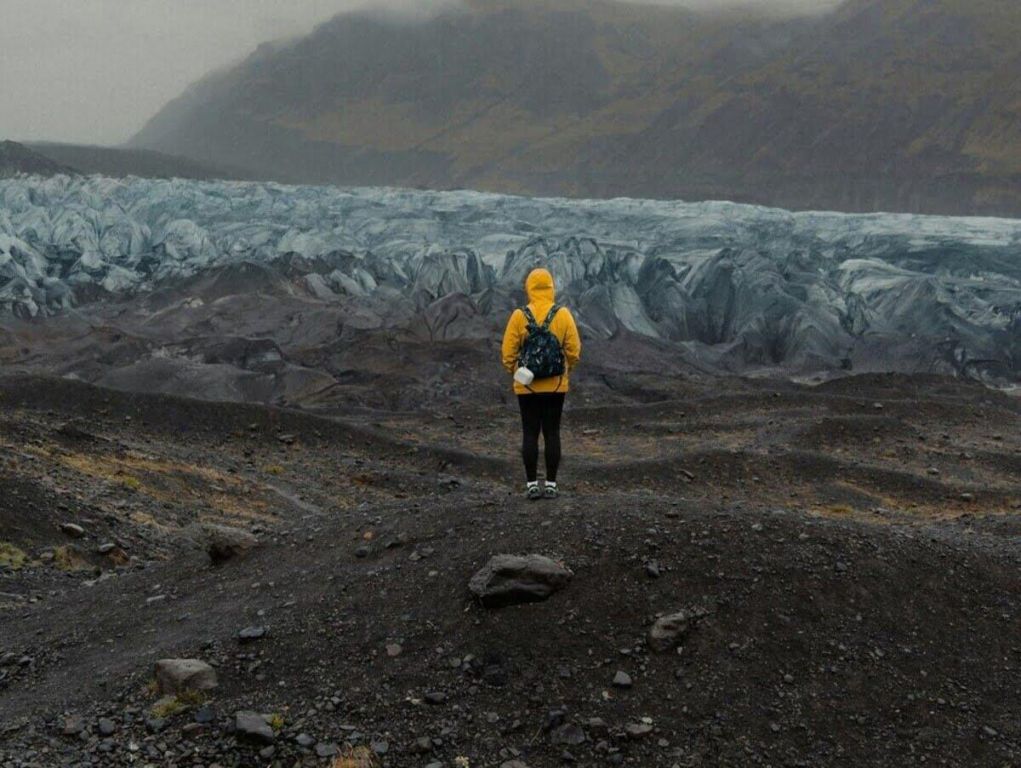
Route 1 - The Backpacker
The Backpacker's approach to traveling in Iceland includes no transport except booking the affordable airport shuttle to Reykjavik. Otherwise, they can hitchhike.
They would camp in the city, where the night goes for about 20 USD, provided they booked the whole week. Included are a couple of additional spendings, such as electricity rent or using a washing machine once.
This person would cook their meals, of which 62 USD should buy them groceries for the week. When we throw in two 72-hour Reykjavik City Cards, showers are covered with daily trips to one of Reykjavik's geothermal swimming pools.
The Backpacker can sightsee the city, hike up Mount Esja and hitchhike to nearby municipalities such as the hot spring valley in Hveragerdi or the black sand beach in Vik.
One week's expenses for this approach come to around 280 USD, or 40 USD daily.
Extra: Backpacker's Splurge
With one night out, one night eating out, and one budget tour such as a Golden Circle Minibus Tour, the estimation rises to about 364 USD for the week or 52 USD per day.
Route 2 - The Minimalist
The Minimalist's approach includes hostel accommodation at about 31 USD per night, where cooking facilities enable them to groceries for the week for around 42 USD. Let's throw in a case of Icelandic beer for roughly 16 USD to keep the fridge stocked!
This individual would go to a cafe a couple of times and eat out once and allow themselves to purchase one combo tour, such as Whale Watching and the Golden Circle combo tour, for approximately 143 USD.
They would book an affordable airport transfer from Keflavik Airport but otherwise use the public transport system or rent a small car for one day for 46 USD.
The Minimalist could spend a day driving along the South Coast or visiting the Snaefellsnes peninsula. A small car will suffice if the season is summer.
One week's expenses of this route come to about 490 USD, or 70 USD daily.
Extra: Minimalist's Splurge
Booking admission to the luxurious Sky Lagoon and one good night out in Reykjavik, the estimation would rise to around 580 USD for the week or 82 USD per day.
Route 3 - The Traveler
The Traveler would book hotels or a guesthouse for around 85 USD per night and rent a four-wheel drive car in Iceland for the whole week, with gas prices at roughly 2.30 USD for the liter.
They would hit a cafe three times, eat out maybe four times and buy additional groceries for 62 USD. They might purchase a couple of meet-on-location tours, such as a horse riding tour in beautiful scenery near Hveragerdi for 67 USD and a Silfra snorkeling adventure at Thingvellir for 140 USD.
The Traveler uses their four-wheel drive car to explore the Highland roads and sightsee the wild nature of Iceland and stay outside Reykjavik for several nights.
A week like that would come to about 1,380 USD, or 197 USD daily.
Extra: Traveler's Splurge
With one all-included Beer & Food Tour in Reykjavik for 77 USD and admission to the world-renowned Blue Lagoon, the week goes up to 1,594 USD or 227 USD per day.
Route 4 - The Big Spender
The Big Spender might book a nice hotel for 235 USD per night and a cottage in the countryside for 118 USD per night. That way, they could enjoy the full extent of gorgeous rural landscapes and the capital city.
They would rent a luxury car for seven days at 95 USD per day and go on three combo tours for 490 USD.
They might hit a cafe five times during the week and eat out every night. They wouldn't hesitate to match their meals with wine and craft beer, doubling restaurant expenses.
The Big Spender could, of course, spend a lot more, but this data is meant to showcase a week where the goal isn't to spend money but to see Iceland off a budget.
This approach would leave the week at 2,720 USD or 388 USD per day.
Extra: The Big Spender's Splurge
If this individual wants to splurge, the sky's the limit. Why not add a helicopter tour, exploring Iceland from above and maybe even touching down on an actual glacier for 590 USD?
Just for You: Package Comparisons
Now that you've seen the different approaches to estimated Iceland budgets, you can compare the costs with self-drive tours.
PLEASE NOTE that all prices listed are subject to change, and we do our best to keep them updated to show the correct information. If you have any additional questions on the costs of traveling in Iceland, don't hesitate to ask them in the comments below, and we will answer them as soon as possible.
Anna Petrauskienė, manager and guide at Nordic Travel

- hotel
- restaurant
- restaurant_menu
- directions_bus
- record_voice_over
- hotel
- restaurant
- directions_bus
- record_voice_over
-450x300.jpg)